Welding is one of the most important manufacturing and fabrication processes used in industries such as construction, automotive, aerospace, shipbuilding, and metal fabrication. However, creating a strong and durable weld is not only about running a welding bead across metal pieces. Proper weld preparation, joint design, welding technique, and post-weld treatment are all essential for producing high-quality welds.
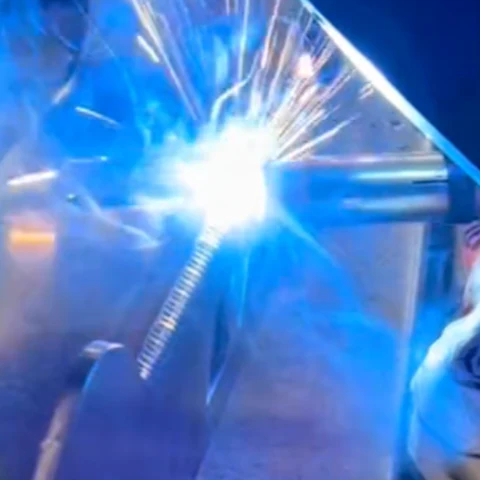
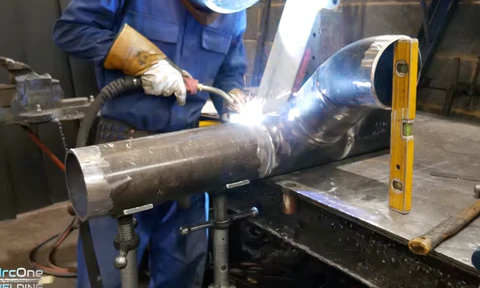
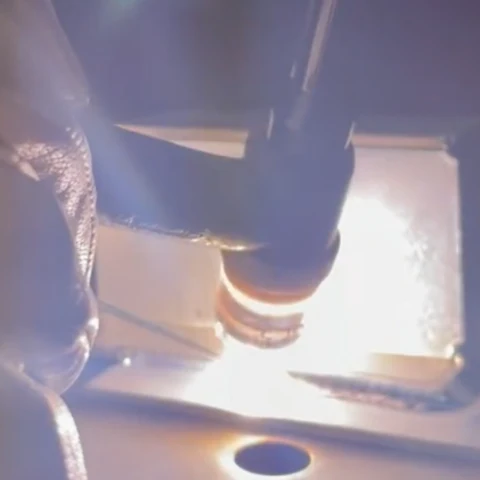
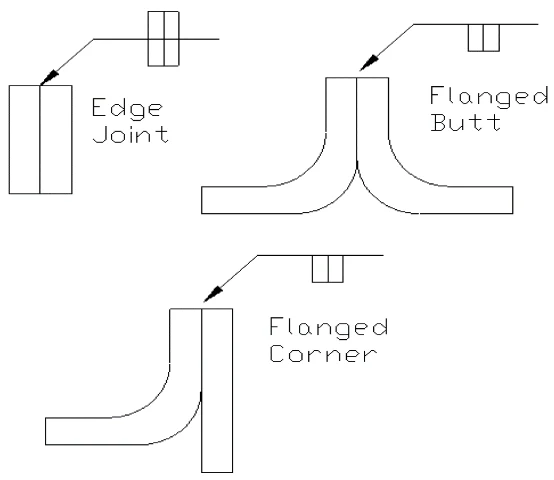
FIG 01 MIG Welding Edge Joints
One of the most critical factors in welding is selecting the correct welding joint design. The way two metal pieces are aligned before welding directly affects:
Weld strength
Load distribution
Penetration
Appearance
Durability
Understanding different welding joints helps welders choose the best configuration for a specific application.
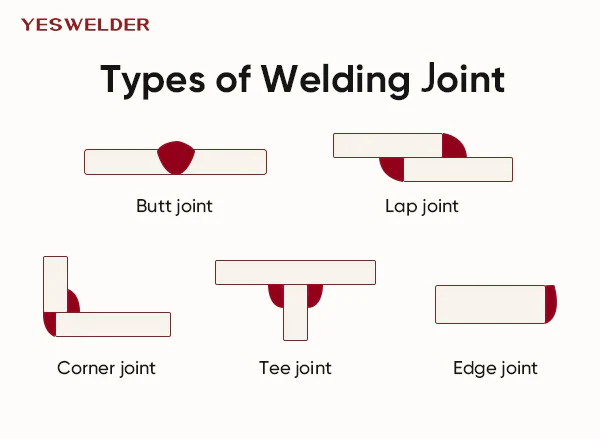
In this blog, we will explain the five major types of welding joints, their variations, applications, advantages, and disadvantages.
What is a Welding Joint?
A welding joint refers to the arrangement or configuration of two or more metal pieces before welding.
Edge joints are created when two metal edges are placed side-by-side or nearly parallel.
The weld is deposited along the shared edge.
These joints are mainly used for low-stress applications.
Features of Edge Joints
Suitable for thin materials
Minimal preparation for thin sheets
Common in sheet metal work
Types of Edge Welds
Common edge weld configurations include:
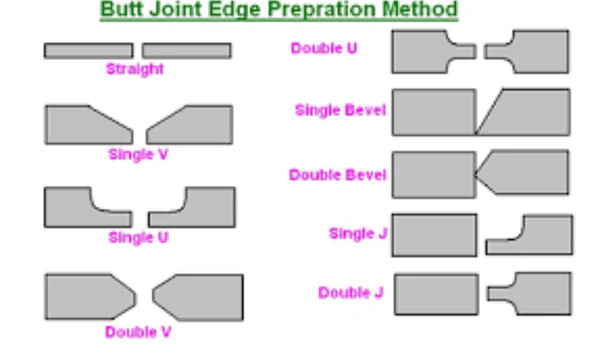
Square groove weld
V-groove weld
J-groove weld
U-groove weld
Bevel groove weld
Flanged edge weld
Applications of Edge Joints
Edge joints are used in:
Sheet metal fabrication
Ductwork
Lightweight structures
Automotive panels
Aerospace components
Advantages of Edge Joints
Easy alignment
Good for thin metals
Minimal filler material required
Disadvantages of Edge Joints
Weak compared to other joints
Limited load-bearing capability
Higher distortion possibility
Importance of Proper Welding Joint Design
Selecting the correct welding joint design is extremely important because it affects:
Strength of the structure
Stress distribution
Weld penetration
Fatigue resistance
Welding cost
Material usage
Using the wrong joint type may result in:
Weld failure
Cracking
Distortion
Structural weakness
Proper joint selection ensures:
Better weld quality
Improved durability
Safer structures
Efficient fabrication
Factors Affecting Joint Selection
Welders and engineers select joints based on:
Material thickness
Welding position
Load conditions
Type of metal
Required strength
Welding process
Cost and efficiency
Common Welding Processes Used
Different joints can be welded using:
MIG Welding
TIG Welding
Stick Welding (SMAW)
Flux-Cored Arc Welding (FCAW)
Submerged Arc Welding (SAW)
Safety Considerations in Welding
While performing welding operations:
Wear protective gear
Use welding helmets
Ensure proper ventilation
Avoid moisture near equipment
Inspect weld quality regularly
Conclusion
Understanding welding joints is essential for every welder, fabricator, and mechanical engineer. Each welding joint has its own characteristics, advantages, limitations, and industrial applications.
The five major welding joints:
Butt Joint
Tee Joint
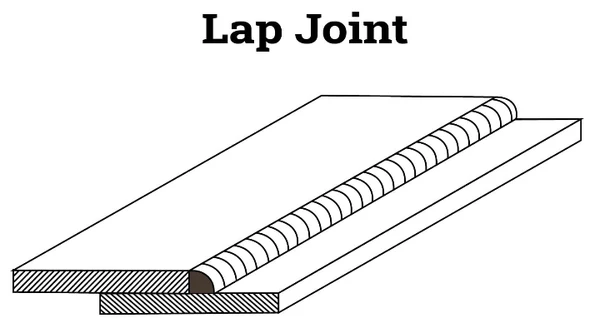
Lap Joint
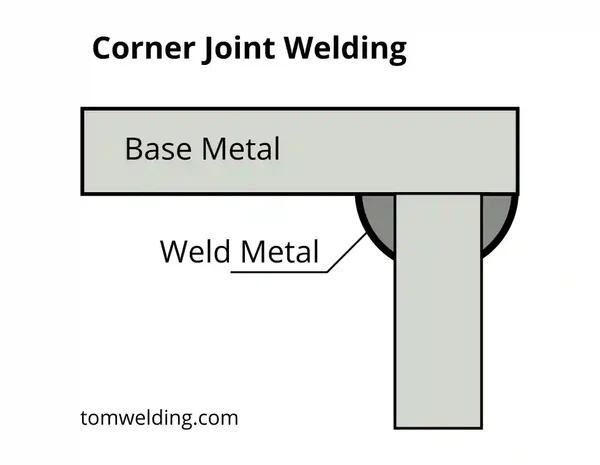
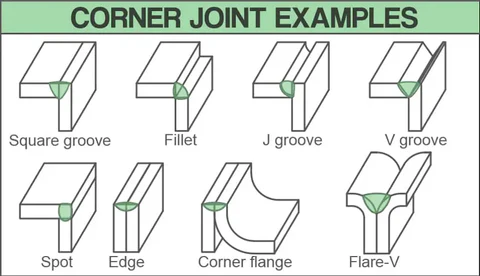
Corner Joint
Edge Joint
are the foundation of metal fabrication and structural welding.
Selecting the proper joint design improves weld quality, structural integrity, efficiency, and safety. Whether working in construction, automotive, aerospace, or fabrication industries, mastering welding joints is a fundamental skill for successful welding projects.