Address
Malik Saleem Plaza, New City, Wah
Pakistan
WhatsApp: +92 327 510047
Email: info@developmech.com
Work Hours
Monday to Friday: 3PM - 11AM
Weekend: 10AM - 5PM
Address
Malik Saleem Plaza, New City, Wah
Pakistan
WhatsApp: +92 327 510047
Email: info@developmech.com
Work Hours
Monday to Friday: 3PM - 11AM
Weekend: 10AM - 5PM
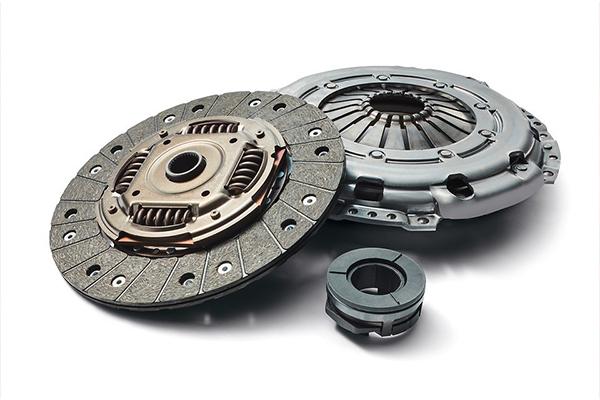
A clutch is one of the most important components in a vehicle. It connects and disconnects the engine power from the gearbox, allowing smooth gear shifting and controlled movement of the vehicle. Without a clutch, changing gears in manual transmission vehicles would be difficult and unsafe.
A clutch is a mechanical device used to engage and disengage power transmission between the engine and the transmission system. When the driver presses the clutch pedal, the connection between the engine and gearbox is temporarily disconnected. This allows the driver to change gears smoothly. When the pedal is released, power is transferred back to the wheels.
There are several types of clutches used in automobiles and machinery. Each type has different working principles and applications.
The single plate clutch is the most commonly used clutch in cars and light vehicles. It contains one friction plate placed between the flywheel and pressure plate.


A multi plate clutch uses multiple friction plates to increase torque transmission capacity. It is commonly used where high power transmission is required.


In a cone clutch, the friction surfaces are cone-shaped instead of flat. The conical surface provides better grip and torque transmission.


A centrifugal clutch works automatically using centrifugal force. As engine speed increases, the clutch engages automatically.


A hydraulic clutch uses hydraulic fluid to transfer force from the clutch pedal to the clutch plate. It provides smoother operation compared to mechanical clutches.


An electromagnetic clutch uses magnetic force to engage and disengage the clutch.


The clutch is an essential part of every transmission system. It ensures smooth power transfer, easy gear shifting, and safe vehicle operation. Different types of clutches are designed for different applications depending on torque requirements, operating conditions, and vehicle type. Understanding clutch types helps mechanical engineering students and automotive professionals improve their knowledge of vehicle systems and machinery.
